In brief: A practical buyer checklist for custom playing card manufacturing, covering MOQ, material, artwork files, packaging, sampling and factory quotation details.
Choosing a custom playing card manufacturer is not only about the lowest unit price. For importers, game publishers, promotional gift buyers and brand owners, the real cost is decided by material consistency, artwork control, packaging choice, sampling accuracy and how clearly the factory confirms production details before mass printing.
Start with the real product type
Many buyers search for “custom playing cards” but actually need different products. A poker deck for casino-style gifts, a corporate advertising deck, a black core premium deck and a game card set can all look similar online, yet they use different paper, finish, collation and packaging requirements.
- Standard poker decks usually need 54 cards, clear front/back artwork and consistent cutting.
- Promotional decks focus on logo visibility, box design and budget control for volume orders.
- Premium black core decks need better opacity, edge quality and stricter color control.
- Game card sets may require custom card counts, instruction sheets, tokens or special packaging.
Before requesting a PI, prepare the card size, card count, material preference, quantity, packaging type and destination country. These details help the factory quote in a way that is useful for real purchasing decisions.
Check what is included in the quotation
A factory quote should separate base printing from extra finishing and packaging. If foil stamping, spot UV, gold edge, tuck boxes or rigid gift boxes are mixed into one unclear price, it becomes difficult to compare suppliers accurately.
- Base card material and printing method
- Front and back artwork requirements
- Finish options such as matte or gloss lamination
- Packaging options such as shrink wrap, tuck box or gift box
- Sample fee, mass production lead time and shipping terms
Why a file review matters before payment
For custom playing cards, artwork quality controls the final result. Low-resolution images, missing bleed, unsafe text placement and inconsistent color mode can all create production risk. A reliable manufacturer should review artwork before confirming the final PI.
Max Deck Print uses an offline PI workflow because bulk custom playing card projects often require human review for artwork, packaging and shipping. This is more suitable for B2B orders than instant online payment.
Quick answers for buyers
What is the recommended MOQ for factory pricing?
For this website, the working MOQ is 1,000 decks so the quote reflects real factory production rather than small retail printing.
Should buyers pay immediately after seeing an estimate?
No. The estimate is a factory-price reference. Final PI, TT payment details, shipping and artwork approval should be confirmed after review.
For a reviewed USD factory quote, compare card products and send the available specifications through the project quotation form. Artwork is optional at first; use Contact Us for a shorter question.
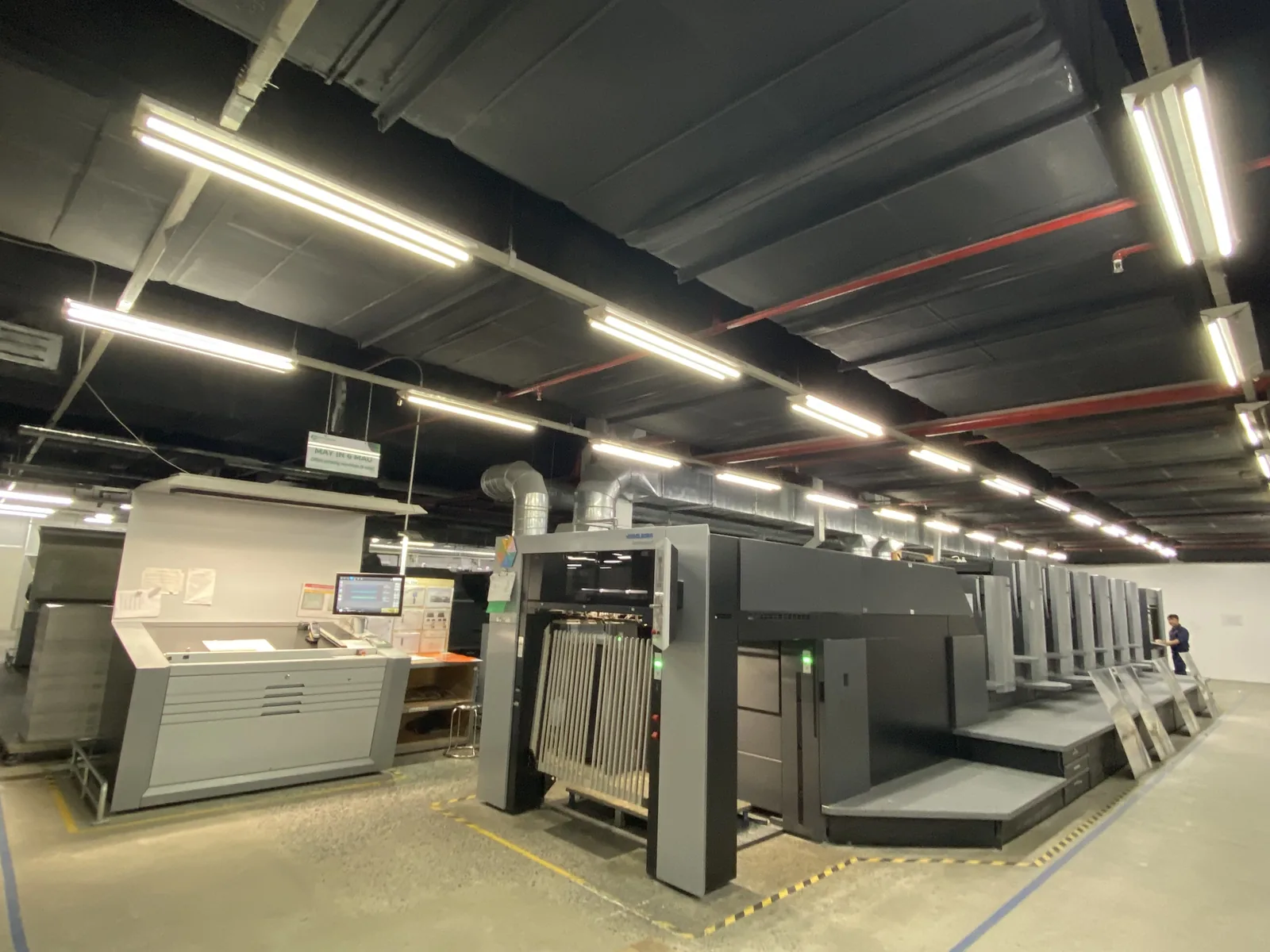
Manufacturer evaluation checklist
| Prepress control | Bleed, safe area and color-mode review | Prevents avoidable artwork errors |
| Material consistency | Named stock, thickness and core | Keeps repeat orders predictable |
| Finishing capability | Lamination, foil and edge samples | Confirms the factory can deliver the specified look |
| Export workflow | PI, carton data and shipping terms | Reduces delays after production |
Practical procurement notes
A dependable card factory should be able to explain what happens between receiving artwork and packing the finished decks. Ask who checks files, how card faces and backs are aligned, when color is approved and how completed decks are counted. Clear answers are more valuable than a long list of machines because they show whether the supplier has a repeatable production system.
Sampling should match the risk of the project. A digital or paper proof can confirm layout and text, while a production-grade sample is more useful for testing stiffness, opacity, lamination, foil registration and box fit. Use the Sample Request page to describe the material and finish combination you need reviewed.
Before accepting the final PI, compare the card count, finished size, stock, surface, packaging, carton quantities and destination with your approved request. Review the production capabilities and ask the team to clarify any missing item before payment.
Buyer guidance from Max Deck Print. Final specifications and commercial terms are confirmed for each project.
Updated 6 September 2026: enquiry instructions now follow manual project quotation.