In brief: Lead time starts after artwork and PI approval. A bulk deck still moves through proofing, printing, finishing, cutting, packing and international shipping; special finishes or packaging can extend the schedule, so final dates should be confirmed on the PI.
A clear production timeline helps buyers plan promotions, product launches and retail deliveries. Custom playing cards are not only printed sheets. They require artwork review, proofing decisions, printing, finishing, cutting, packing and shipping coordination.
Step 1: quote and file review
The process starts with quantity, material, finish, packaging and artwork information. The more complete the request is, the faster the factory can confirm whether the estimate is realistic.
- Select quantity and deck specification
- Choose material and finish
- Confirm packaging option
- Upload artwork or explain customization level
- Provide destination country and deadline
If artwork is incomplete, the factory may provide a reference estimate first, then adjust the PI after file review.
Step 2: proofing and mass production
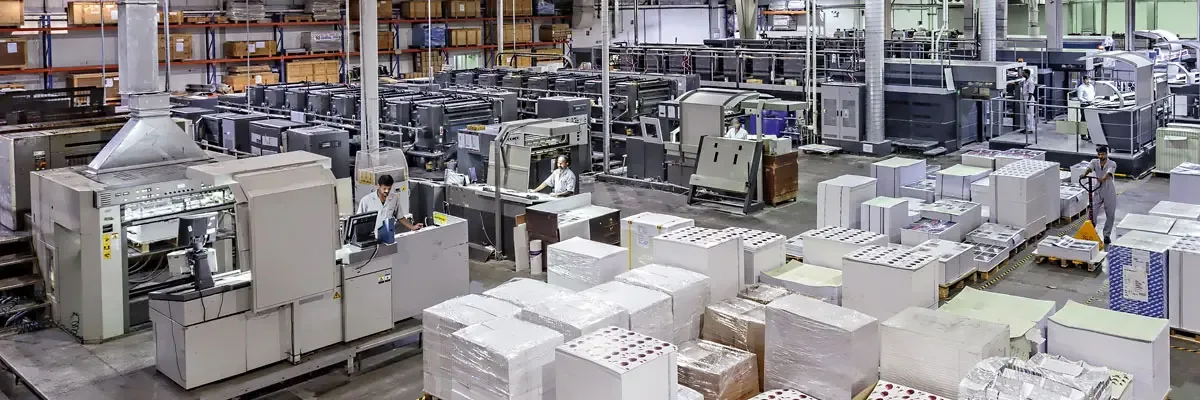
After PI confirmation, the buyer can approve digital proof or physical sample depending on project risk. Production then moves through printing, lamination, cutting, corner rounding, collation and packing.
- Digital proof or physical sample approval
- Printing and surface finishing
- Die cutting and corner rounding
- Card collation and deck assembly
- Shrink wrap, box packing and carton packing
Step 3: shipment and final documents
For export orders, shipping method and destination details should be confirmed before production finishes. Carton size, weight and delivery terms affect the final landed cost.
Max Deck Print uses an offline PI and payment workflow because international B2B orders often need shipping, artwork and schedule confirmation before TT payment.
Buyer FAQ
How long does production take?
Lead time depends on quantity, material, finishing, packaging and sample approval. A realistic schedule should be confirmed after file review.
Can urgent orders be accepted?
Urgent orders may be possible, but the factory must check artwork readiness, material availability and current production capacity first.
For a reviewed quotation, send your project brief with the card count, order quantity, size, stock, finish and packaging. You can also ask a short question before the details are final.
Typical project stages
| Specification and quote | Buyer and sales | Confirm scope before design lock |
| Artwork and proof | Designer and prepress | Resolve files before production |
| Printing and finishing | Factory | Depends on craft complexity |
| Packing and shipping | Factory and forwarder | Depends on destination and terms |
Practical procurement notes
Lead time should begin only after the factory has received usable artwork, the specification is approved and any required deposit is confirmed. Quoting “seven days” before those conditions are complete creates false expectations. A buyer-controlled delay in approving a proof is different from production time and should be shown separately in the schedule.
Premium finishing adds checkpoints. Foil tooling, spot UV screens, custom dies, edge gilding and rigid boxes may require separate setup or outside components. National holidays, peak-season capacity and freight space can also affect the delivery date. Share the required in-hand date and destination at the start so the factory can work backward from the real deadline.
Review the production workflow, then send your quantity, deadline, destination and shipping preference in the project quote request. Production lead time and transit assumptions should be stated separately in the reviewed quotation and final PI.
Build the schedule backward from the required arrival date. Reserve time for international transit, customs clearance and local delivery, then place a buffer between production completion and vessel or flight departure. Before that, allow for proof approval and at least one correction round. Buyer-side tasks need owners too: one person should consolidate artwork comments, one should approve the commercial PI and one should confirm shipping documents. Parallel comments from several stakeholders often cause more delay than printing. A short milestone list shared with the factory makes responsibility and decision dates visible. Include a document-approval deadline as well as a production deadline. Commercial invoices, packing lists and shipping marks often need buyer confirmation before dispatch. Providing the consignee name, contact number and import requirements early prevents finished cartons from waiting in the warehouse while paperwork is corrected.
Buyer guidance from Max Deck Print. Final specifications and commercial terms are confirmed for each project.
Updated 6 September 2026: enquiry instructions now follow manual project quotation.