By Max Deck Print | Buyer guidance | September 2026
A reprint that will be mixed with an existing deck needs a compatibility specification. Matching the old PDF is only one part of the job. Record the card back, finished dimensions, corner shape, stock, surface finish and physical reference, then review new and old cards together before approval.
For an expansion, a slightly different back can reveal which set a face-down card came from. A different thickness or surface feel can also be noticeable during handling. The buying decision is therefore not just whether the new cards look attractive on their own, but whether the combined deck works as intended.
Why can the same artwork produce a different-looking reprint?
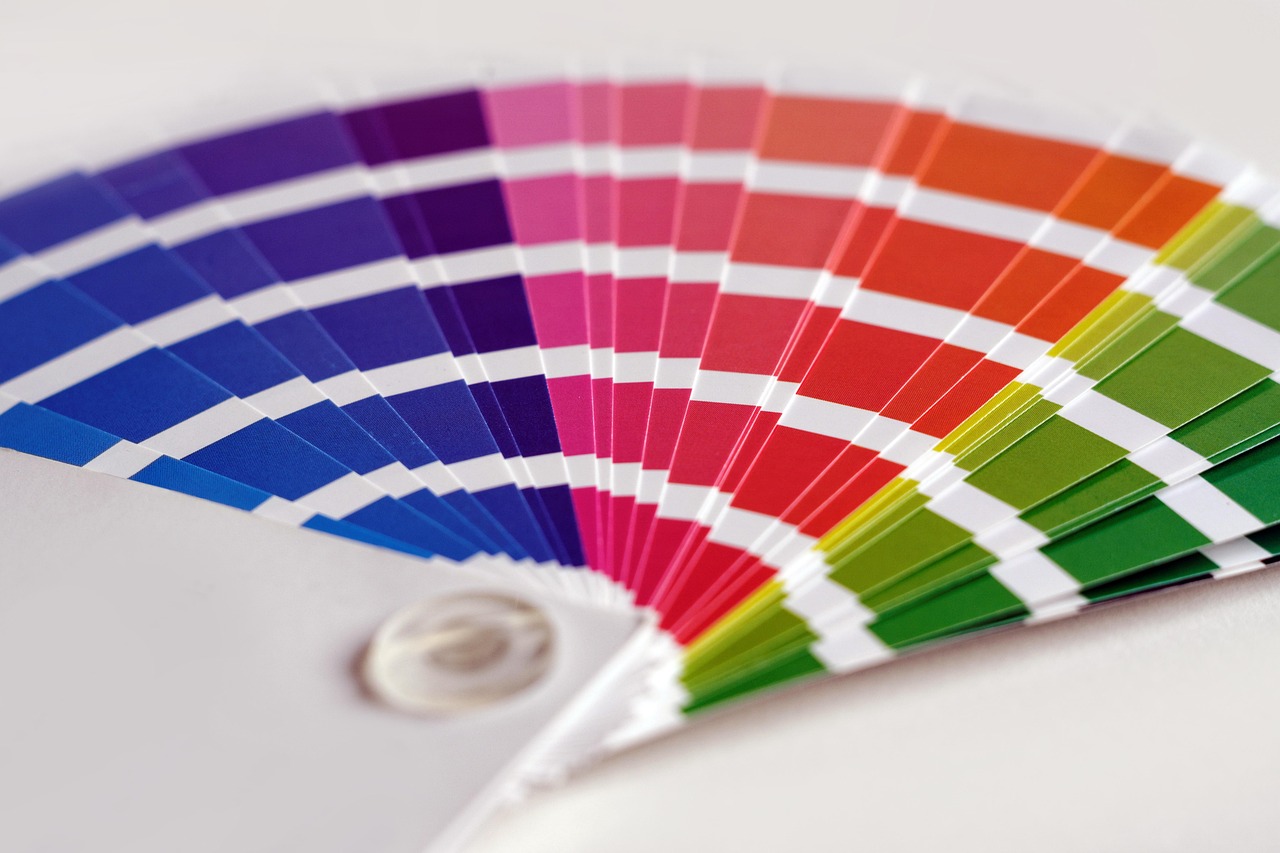
Files do not fully describe the physical print conditions. The paper, inks, output profile and finishing choices also influence the result. Adobe’s color-profile guidance explains that output profiles describe printing conditions, including the paper and ink, and that glossy and matte papers can display colors differently.
Retain a physical reference as well as the approved files. A photograph is useful for identifying the edition, but camera settings, lighting and screens make it a poor sole target for color matching. If only a heavily used deck remains, tell the supplier that wear and aging may have changed its appearance.
What should be saved after the first production run?
Create a small reprint package before the first order is closed. It should identify the final approved version, not every draft produced during development. Keep a sealed reference set where practical and store another set for normal comparison.
| Record | Why it matters |
|---|---|
| Approved front and back files | Prevents an earlier back or crop from returning |
| Card manifest and edition ID | Defines quantities, revisions and language versions |
| Stock and finished construction | Gives a stronger reference than gsm alone |
| Trim and corner specification | Supports physical comparison within a mixed deck |
| Finish and effect specification | Records the intended surface and decorative layers |
| Retained samples and approval notes | Preserves the physical target and accepted limitations |
Ask what production records and tooling the supplier retains and for how long. Do not assume indefinite storage, automatic stock availability or a guaranteed exact match years later.
Which changes are especially risky for expansion cards?
Changes to a shared back deserve close attention because they affect concealed information during play. Border width, centering, color fields and orientation can make differences more visible. A new logo placed on the shared back may be an intentional design update, but it also makes the expansion identifiable.
Material substitution is another point to review. A different stock with the same advertised weight is not automatically equivalent. Ask for written notice of proposed changes and an updated sample when the original construction cannot be maintained.
Keep edition markings on the face or packaging when that suits the game design, rather than changing a shared back without testing the gameplay consequence. The final choice belongs to the creator; the production brief should make that choice explicit.
How should a mixed-deck sample be evaluated?
- Compare retained and new cards under the same viewing conditions.
- Lay them face down and check the shared backs, borders and orientation.
- Align the edges and inspect finished size and corner shape.
- Shuffle and deal a mixed sample to assess surface feel and stiffness.
- Repeat the check with the intended sleeves, if applicable.
- Record differences and agree the approval decision before bulk production.
This practical comparison complements any agreed measurement plan. It is not a substitute for a formal tolerance or inspection method. If numerical color tolerances are required, agree the measurement conditions and relevant areas with the supplier rather than adding a generic number to the purchase order.
What if an exact match is not feasible?
Decide before production whether the expansion must mix with the original deck. Possible design responses include a separate expansion deck, a refreshed complete edition or an explicitly disclosed sleeve requirement. Each option changes the customer experience, so it should not be used as an undisclosed workaround.
A different printing supplier may need additional sampling to evaluate compatibility. Provide the old physical reference and available specifications, but avoid asking the new supplier to guarantee an exact match from a screen image alone.
Frequently asked questions
Will using the same printer guarantee identical reprints?
No. Keeping the supplier can preserve useful records, but materials, production conditions and the original cards can change. Agree the reprint target and review the new sample.
Are opaque sleeves a complete solution to a different back?
They can conceal some visual differences, but they do not automatically equalize size, stiffness or all handling differences. Test the actual sleeve and mixed-deck combination, and disclose any required accessory.
Should a corrected card be treated as a new version?
Yes. Give the revised file a distinct version and update the manifest. Record whether it replaces an old card or is an additional component, so the intended set count remains clear.
Discuss compatibility before requesting the reprint price
For card game reprints and expansions, send Max Deck Print the original specifications, available samples and whether new cards must mix with old cards. Contact us for an initial review or use the detailed quote form for projects from 1,000 complete sets. Matching feasibility and sampling requirements are confirmed individually.