Updated September 6, 2026
Buyer guidance from Max Deck Print. Final specifications and commercial terms are confirmed for each project.
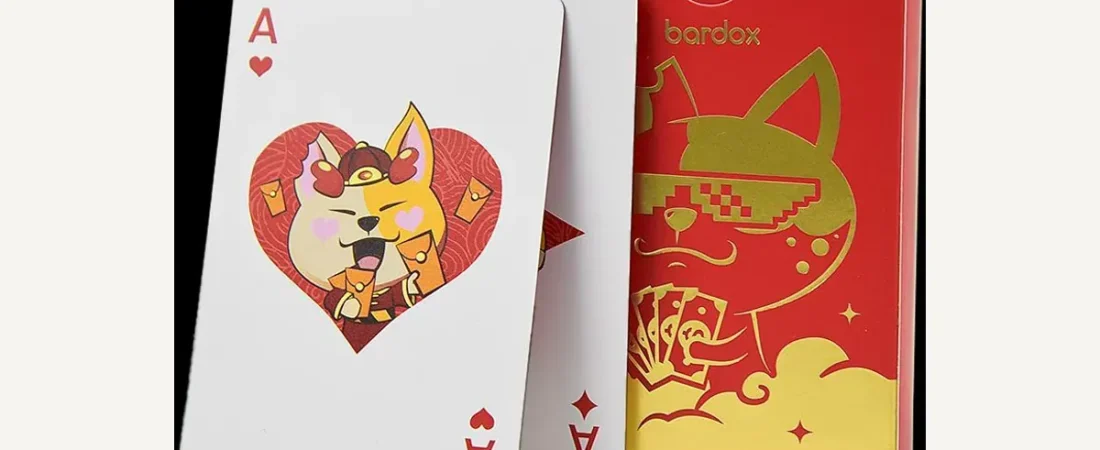
A printed tuck box is a compact retail package for a custom card deck. It carries the artwork, barcode and product information while keeping the cards together. Box dimensions, paperboard, printing, effects and quantity determine the price. A tuck box is quoted as a specified package, not a universal fixed surcharge.
Tuck box vs other playing card packaging
| Packaging | Quotation considerations | Best use |
|---|---|---|
| Shrink wrap | No extra charge | Bulk, refill or cost-sensitive orders |
| Printed tuck box | Dimensions, board, print coverage and finish | Standard retail and branded decks |
| Rigid gift box | Box structure, wrapping, inserts and assembly | Premium gifts, launches and multi-deck sets |
| Tin box | Tin structure, decoration and packing | Durable storage and specialty retail |
Packaging is quoted for the actual dimensions, paperboard, print coverage, foil area, insert, window, glue structure and quantity. Confirm the complete package rather than carrying forward a historical calculator surcharge.
What is a playing card tuck box made from?
A tuck box is normally produced from folding paperboard that is printed flat, protected or decorated, die-cut, creased, glued and erected around the deck. A common planning range is roughly 300–400 gsm coated paperboard, but the correct grade depends on box size, deck thickness, finish and shipping conditions. The factory dieline and material recommendation govern the final specification.
The box structure buyers should approve
- Front and back panels: main artwork, product name, description and regulatory copy.
- Side panels: short brand statement, contents or legal information.
- Top and bottom flaps: opening direction, seals, batch code or barcode position.
- Glue flap: normally kept free of critical artwork and finish effects.
- Internal fit: allow for card count, stock thickness and any instruction cards.
Finish options and when to use them
| Finish | Visual effect | Production note |
|---|---|---|
| Matte protection | Low glare and restrained appearance | Good for premium artwork; dark colors may show handling marks |
| Gloss protection | Higher reflectivity and saturation | Useful for bright retail graphics |
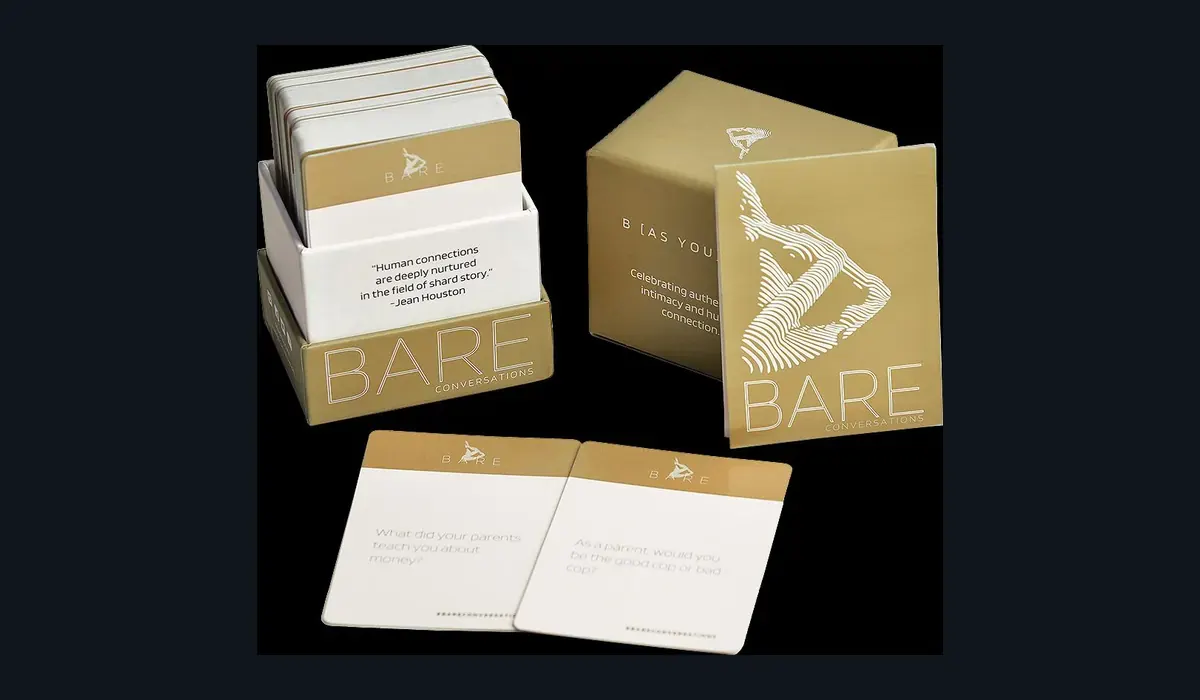
| Spot foil | Metallic highlight on logo or border | Supply a separate vector spot layer and confirm minimum detail |
| Emboss or deboss | Raised or recessed detail | Requires tooling and enough clear area around the feature |
| Window or special die cut | Reveals product or changes silhouette | Needs structural review and may reduce panel strength |
How to choose the right packaging level
Use shrink wrap when decks are distributed in bulk, packed into another product or sold as refills. Use a tuck box when the deck needs its own shelf identity and barcode. Upgrade to a rigid or tin box only when the higher presentation value supports the added product and freight cost.
Compare card packaging structures, then include your preferred construction in the project quote request. A reference and approximate contents are enough to start; final box artwork can follow after the dieline is confirmed.
Frequently asked questions
What is a tuck box for playing cards?
It is a folding paperboard carton sized to hold one deck. It is printed flat, die-cut, creased and glued, then packed with the finished cards.
Is a tuck box included in the base deck price?
Only the packaging stated on the quotation is included. Shrink wrap, a printed tuck box and a rigid box are separate specifications. The team confirms the box price after reviewing the dimensions, artwork, finish and order quantity.
Can a playing card tuck box have foil or embossing?
Yes. Foil, embossing and other effects are possible after artwork and tooling details are reviewed. Keep fine text out of complex finish areas.
What paper weight is used for a tuck box?
Roughly 300–400 gsm coated paperboard is a common planning range, but the factory should select the final grade from the deck size, thickness, finish and transport requirements.
Ready to price your deck?
Share the quantity, card count and available specifications for a manual project quote. Artwork can follow later. Sending an enquiry does not confirm an order or collect payment.