Updated September 6, 2026
Buyer guidance from Max Deck Print. Final specifications and commercial terms are confirmed for each project.
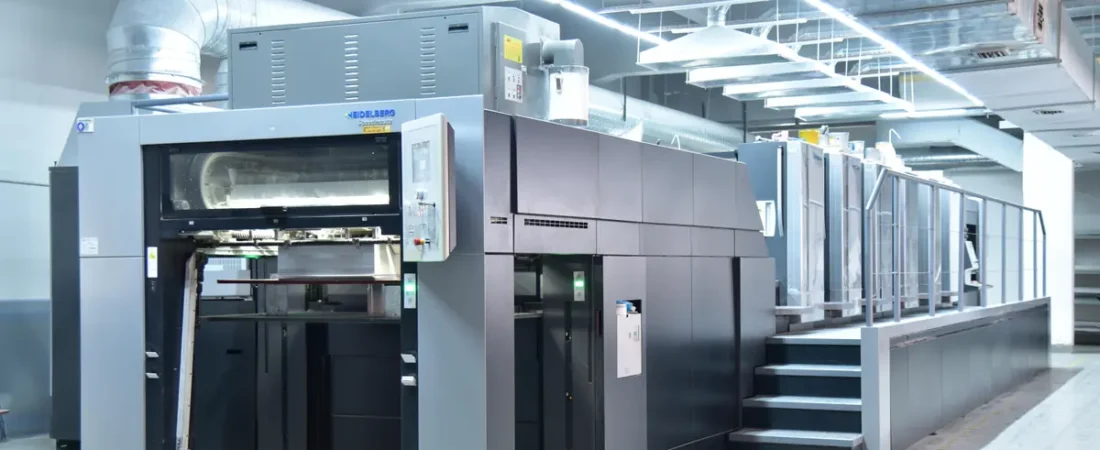
For a production run of 1,000 decks or more, offset printing is normally the better production method. It has more setup work, but it delivers stable color across long runs and lowers the unit cost as quantity rises. Digital printing is most useful for prototypes, short proofs and artwork checks before the bulk run.
Offset vs digital playing card printing at a glance
| Decision point | Offset printing | Digital printing |
|---|---|---|
| Best quantity | Usually 1,000+ decks | Prototypes and very short runs |
| Setup | Plates, press setup and color calibration | Direct output from a digital file |
| Unit economics | Improves as the run grows | Less setup, but less efficient for volume |
| Color consistency | Strong consistency across long sheet runs | Useful for proofing; output may differ from offset production |
| Artwork changes | Changes after plate setup can be costly | Easier before the final proof is approved |
| Typical role | Bulk production | Digital proof or short sample |
The printing method is only one part of the result. Card stock, ink density, lamination, cutting accuracy, collation and packaging all affect how the deck looks and handles. That is why a useful quotation must specify the complete product rather than asking only for a price per deck.
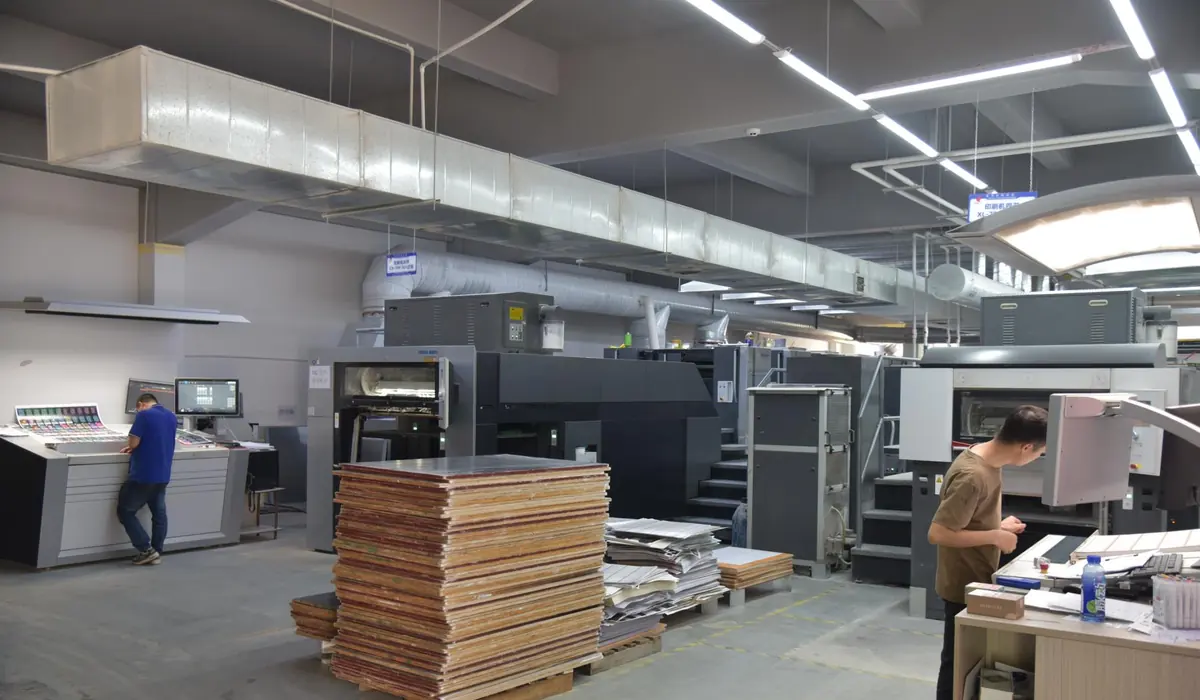
How an offset playing card run moves through production
- Artwork preflight: the factory checks size, bleed, safe zones, image resolution and the number of unique faces and backs.
- Proof approval: the buyer confirms content, orientation, color expectations and the packaging dieline.
- Plate and press setup: CMYK separations are prepared and the press is calibrated for the selected stock.
- Sheet printing and finishing: printed sheets receive matte or gloss protection and any approved foil or edge treatment.
- Cutting, collation and packing: cards are cut, rounded, assembled in sequence, boxed and checked before export packing.
What should you send for an accurate printing quote?
A buyer does not need to know every technical term, but the factory needs enough information to compare the same specification. Start with the following six items:
- Finished card size and number of cards per deck, usually 54 for a poker deck.
- Quantity in complete decks; Max Deck Print quotations start at 1,000 decks.
- Card stock: white core, blue core, black core or waterproof PVC.
- Customization level: standard faces with a custom back, or individually designed faces and backs.
- Surface finish and special effects, such as matte, gloss, spot foil or gilded edges.
- Packaging: shrink wrap, printed tuck box, rigid gift box or tin box.
Compare the available card product formats, then submit the required print specification for a manual project quote. Ask which proof and bulk printing routes are proposed for the chosen stock and finish.
When is digital proofing still valuable?
Digital proofing is valuable when content, layout or sequence may change. It is faster to identify a missing card, reversed back, incorrect suit or packaging typo before offset setup. A digital proof is not a perfect predictor of the final offset color, stock stiffness or finish, so buyers with critical brand colors should request a physical production sample.
For a closer look at the manufacturing path, visit the factory capability page. It shows the practical sequence from file review through printing, finishing, cutting, packing and quality control.
Frequently asked questions
Is offset printing always better for playing cards?
No. Offset is normally better for repeatable bulk production, while digital output is useful for prototypes and short proofs. The right choice depends on quantity, color expectations and whether the artwork is final.
What is the minimum quantity for offset playing card printing?
Max Deck Print currently quotes bulk custom playing card orders from 1,000 decks. The most economical quantity depends on stock, finish and packaging.
Can digital proof colors match the final offset run exactly?
Not exactly. A digital proof is excellent for content and layout checks, but the final offset result also depends on paper, press calibration, ink density and lamination.
Do I need print-ready files before requesting a quote?
No. Size, deck count, quantity, stock, finish and packaging are enough for an initial estimate. Print-ready artwork is required before proofing and production approval.
Ready to price your deck?
Share the quantity, card count and available specifications for a manual project quote. Artwork can follow later. Sending an enquiry does not confirm an order or collect payment.