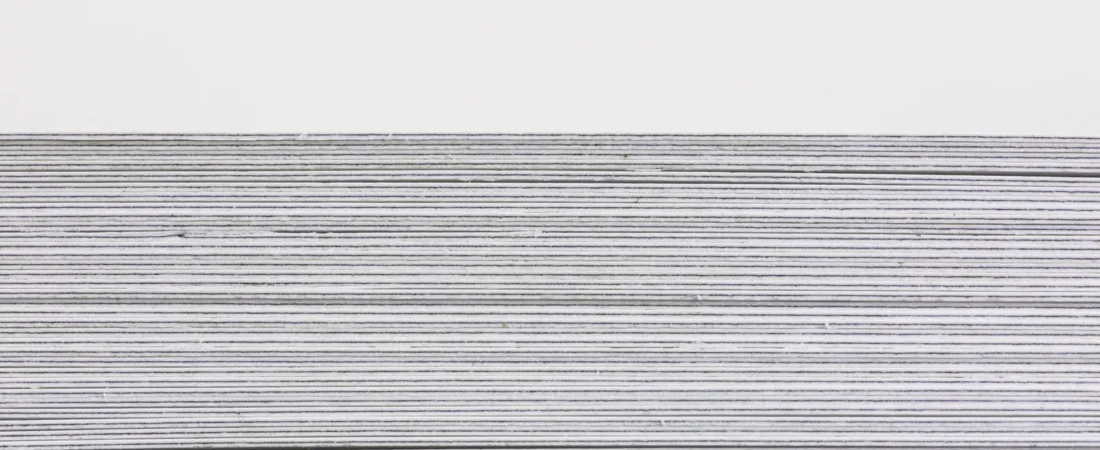
By Max Deck Print | Buyer guidance | September 2026
Paper playing cards can warp when moisture changes affect the material unevenly. Stock construction, coatings, converting conditions and storage can all contribute. The useful question is not simply whether a card feels thick, but whether the finished construction remains suitable for the intended use and distribution conditions.
A deck that will not sit flat feels disappointing before the first game begins. For a publisher, it can also mean returns, replacement shipping and uncertainty about the rest of a batch. Prevention begins with the material and sample specification, not a promise that a heavier paper will never curl.
Why can paper cards change shape after delivery?
Paperboard responds to moisture in the surrounding environment. Holmen’s technical guidance on paperboard handling explains that moisture gain or loss can cause curl and waviness. It also warns against unwrapping cold board before it has reached the surrounding temperature, because condensation can introduce moisture.
That guidance concerns the supplier’s paperboard and is not a universal storage specification for every finished card deck. For your product, request handling advice for the actual card construction and packaging. Do not diagnose the cause of a finished-deck problem from a photograph alone.
Does thicker card stock prevent warping?
Higher grammage does not guarantee a flat deck. Grammage describes mass per area; it does not independently specify card thickness, stiffness, coating balance or moisture response. Two stocks sold at the same gsm can feel different and need different box clearances.
When comparing paper and PVC playing cards, evaluate finished samples rather than material names alone. PVC is a different substrate, but choosing plastic does not remove the need to check heat exposure, handling, print adhesion and packaging suitability.
| Concern | Ask for | Avoid assuming |
|---|---|---|
| Deck does not sit flat | A finished sample using the intended stock and finish | A blank paper swatch predicts the finished deck |
| Foil or coated face | Review of the complete front-and-back construction | One approved effect proves every combination |
| Changing shipping conditions | Material-specific packing and unpacking advice | Retail shrink wrap is a complete environmental barrier |
| Repeat production | Written confirmation of stock and finish changes | The same gsm means the same material |
What should a useful sample review include?
Check flatness alongside shuffling, fanning, surface feel and the fit of the complete deck in its packaging. Specify which characteristics the sample represents. A digitally printed artwork proof may confirm content without reproducing the bulk stock, coating or manufacturing route.
- Record the stock description, finish and sample date.
- Examine individual cards and the complete stack on a clean, level surface.
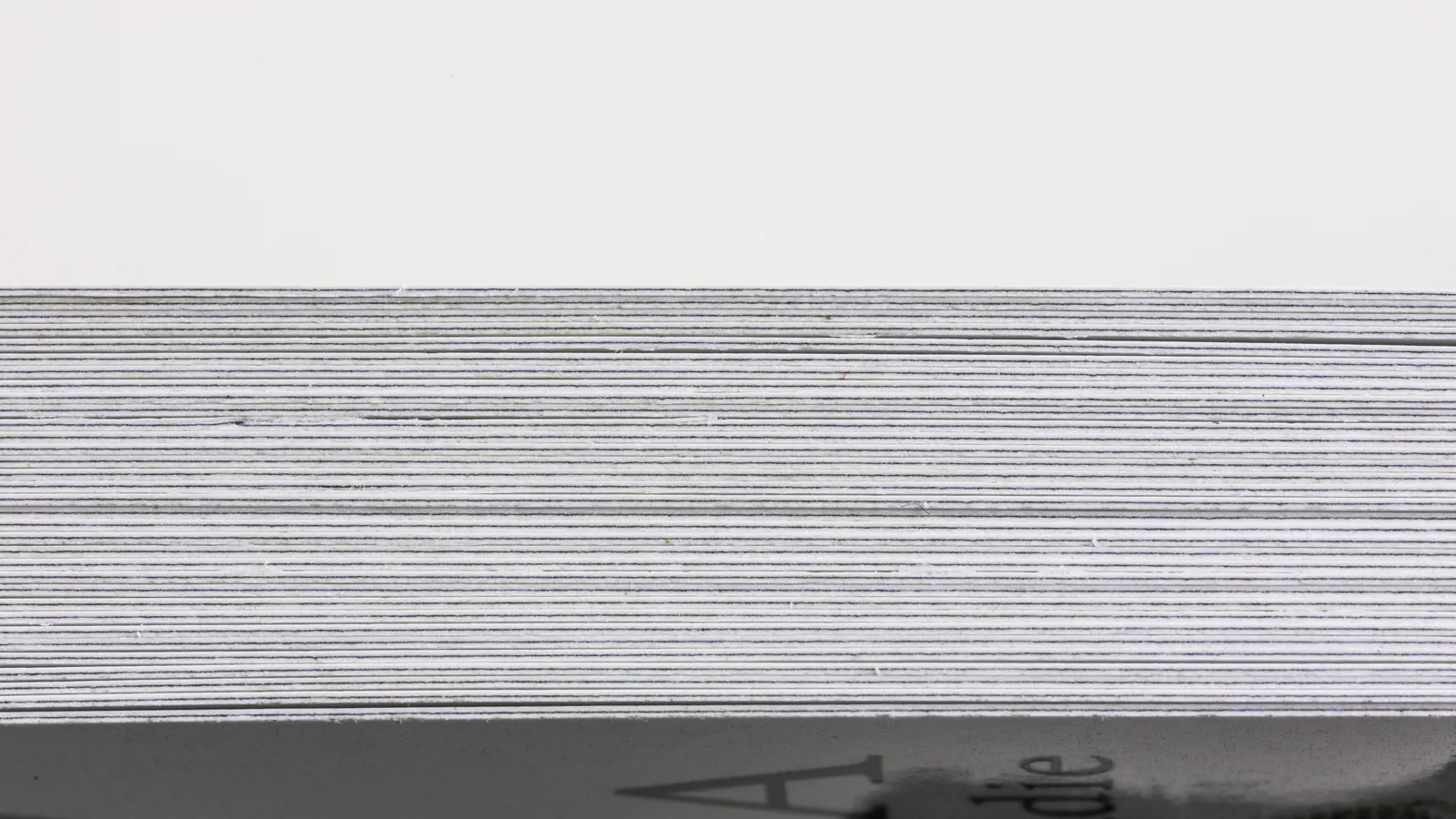
- Photograph both faces and the stack edge without forcing the cards flat.
- Try the intended handling method and packaging arrangement.
- Agree the acceptance method and any material-specific conditioning before bulk approval.
For a project going into several climates or long storage, discuss a suitable evaluation plan. A brief check in one room is not a durability guarantee. Avoid inventing an acceptance limit such as an arbitrary maximum curl without agreeing how, when and under what conditions it will be measured.
What should buyers do if delivered cards are curled?
Preserve evidence before attempting to flatten or rework the cards. Record when the cartons arrived, whether the packaging was damaged or damp, when the decks were opened and which batch markings appear on the cartons. Compare unopened and opened sets where practical, without exposing the whole shipment unnecessarily.
Contact the supplier with representative photographs and the number of sets checked and affected. Ask for a joint review against the approved specification. Do not use a hair dryer, water or aggressive bending as a first response; those actions can damage the finish and complicate investigation.
Frequently asked questions
Are curled cards always a manufacturing defect?
No single cause can be established from the shape alone. Material, processing, transport and storage evidence should be considered together. Responsibility and corrective action depend on the agreed specification and findings.
Can a foil effect affect card flatness?
A decorative layer changes the finished construction and should be evaluated with the selected stock and coatings. Ask to review the proposed combination rather than approving the paper and effect as unrelated items.
Is a card-stock sample enough before ordering?
A stock sample helps compare feel and opacity. A finished project sample is more relevant when the concern involves combined finishes, handling or a complete packaged deck. Confirm the sample scope and fee before proceeding.
Specify how the deck will be used
Tell Max Deck Print whether the cards are for frequent gameplay, occasional gifts or collector storage, and where they will be distributed. Use the sample request page to discuss an appropriate reference before a bulk project of 1,000 sets or more.